
Air Return Placement For Hvac
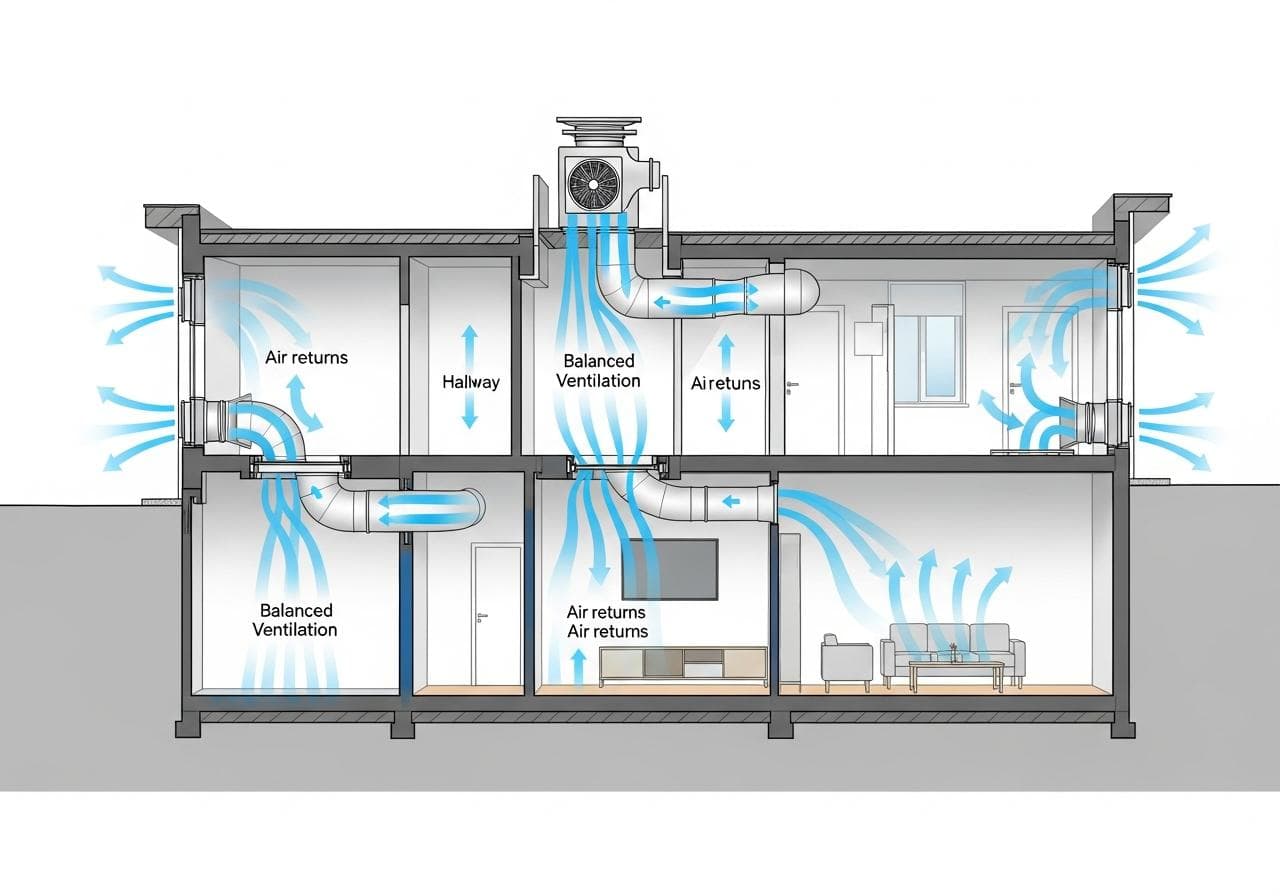
Strategic positioning of air returns enhances HVAC efficiency, ensuring balanced airflow and optimal indoor climate control.
Research topics
When it comes to HVAC systems, comfort is king. One of the most critical aspects of achieving a comfortable atmosphere in any space is understanding the role of air return vents. Proper placement of these vents significantly affects efficiency, airflow, and ultimately, your overall comfort. Let’s dive into why air return placement matters and how to optimize it for your space.
The Basics of Air Returns in HVAC Systems
Air returns are crucial components of HVAC systems. Their primary role is to return the air back into the system to ensure continuous circulation. The design of your air return system can influence how effectively your HVAC unit maintains the desired temperature throughout your home or office. More so, poorly positioned returns can lead to unwanted temperature fluctuations, reducing comfort levels.
Why Placement Matters
The placement of your air return vents is vital to the overall functionality of your HVAC system. If these vents are improperly positioned, they can obstruct airflow, leading to inefficiency in heating or cooling. A well-thought-out design can make all the difference in avoiding hot or cold spots in any room. For an in-depth exploration of this topic, check out this article on return vent locations.
Understanding Airflow Dynamics
To grasp how the positioning of air returns affects your system's efficiency, it's essential to understand airflow dynamics. Air needs to circulate freely throughout the space. If your air returns are too close to the supply vents, they might end up drawing in already conditioned air, which could lead to inefficiencies in temperature regulation. Ideally, your air returns should be located in areas where they can effectively pull in air from the farthest points of the room, allowing for balanced ventilation.
Minimum and Maximum Distance
While there is no one-size-fits-all answer for air return placements, maintaining an adequate distance between supply and return vents is essential. Typically, air returns should be located at least 10-12 feet away from any supply vent. This ensures adequate air mixing and prevents the efficiency losses that come with poorly placed ducts. If you're interested in learning more about duct placement, consider reading this discussion on duct placement.
Assessing Room Size and Layout
The placement of air returns also depends on the size and layout of the room. Larger spaces may require multiple air returns to maintain an even distribution of air. Rooms divided by tall partitions or with odd angles might need creative ductwork solutions to ensure efficiency and comfort. A little planning goes a long way in making sure that your HVAC system is not just functional but operates at its best.
Key Factors to Consider
When considering air return placement, several factors come into play. The height of your ceilings, the types of furnishings in the room, and even the activities that take place in the space can influence how air should ideally flow. It's essential to analyze these variables to determine the best return vent locations for your unique environment.
The Cost Of Poor Air Return Placement
Improperly positioned air returns can lead to increased energy bills. When your HVAC system works harder to compensate for poor airflow, it uses more energy, which results in higher operational costs. Inadequate ventilation can also lead to expensive repairs down the line. Understanding the cost implications of air return placement is essential for long-term planning.
Installation Tips for Air Returns
If you're installing air returns in a new space or replacing existing ones, consider simple installation tips. Always ensure that your air returns are clean and free from obstructions. Additionally, label your ductwork during installation so you can keep track of which ducts connect to which returns. This organization can save time and sanity in future maintenance sessions.
Regulations and Guidelines
It's also essential to check local building codes and regulations when planning air return placements. Each area may have specific requirements that affect how and where you can install these crucial components. Adhering to these guidelines helps you avoid fines and ensure your system operates safely and efficiently.
Testing and Balancing Your System
After installation, testing and balancing your HVAC system is highly recommended. This process ensures that air is distributed evenly throughout the space. Air balancing can reveal whether you need additional air returns for optimal comfort. Checking the system periodically helps maintain efficiency and ensures that your home remains a comfortable haven.
Smart Solutions for Comfort
If traditional air return placements don't meet your needs, you can explore smart solutions. For instance, consider installing variable-speed fans or using programmable thermostats to optimize airflow based on occupancy patterns. These technologies can adapt the system's performance to fit your lifestyle while enhancing overall comfort.
Common Myths About Air Return Placement
Despite the wealth of information available, many misconceptions surround air return placements. One common myth is that closing the air returns in unused rooms will improve efficiency. In reality, this can lead to increased pressure in the system, causing it to work harder than necessary, which ultimately reduces comfort and drives up costs.
The Future of HVAC Systems
Innovation in HVAC technology continues to evolve, and future systems may offer more flexibility in air return placements. Emerging technologies may allow for greater control over airflow and ventilation without compromising comfort levels. For ongoing updates and advancements in HVAC technology, stay tuned to industry news and resources.
Conclusion: Prioritize Comfort with Proper Air Return Placement
In conclusion, understanding proper air return placement is essential for maximizing the efficiency and comfort of your HVAC system. Proper placement can contribute to a healthier and more balanced atmosphere in your home or office. Prioritize thoughtful design and installation to ensure you’re getting the best out of your investment. The benefits—both in comfort and cost savings—are well worth the effort!
For more insights on forced air register placement, you can check out this helpful resource: forced air register placement.
Posts Relacionados

3 Roofing Companies That Will Make Your Roof Look New Again
Transform your old roof with expert roofing services. Choose from top-rated companies for a stunning new look.

4 Season Sunroom Budget Costs
Building a sunroom involves significant costs, varying based on size, materials, and features.

5 Roofing Companies That Will Make Your Roof Look New Again
Discover the top roofing companies that specialize in transforming old roofs into stunning new ones.