
Best Practices For Senior Aortic Valve
Aortic valve replacement in seniors requires careful assessment for optimal outcomes, including procedural and clinical factors.
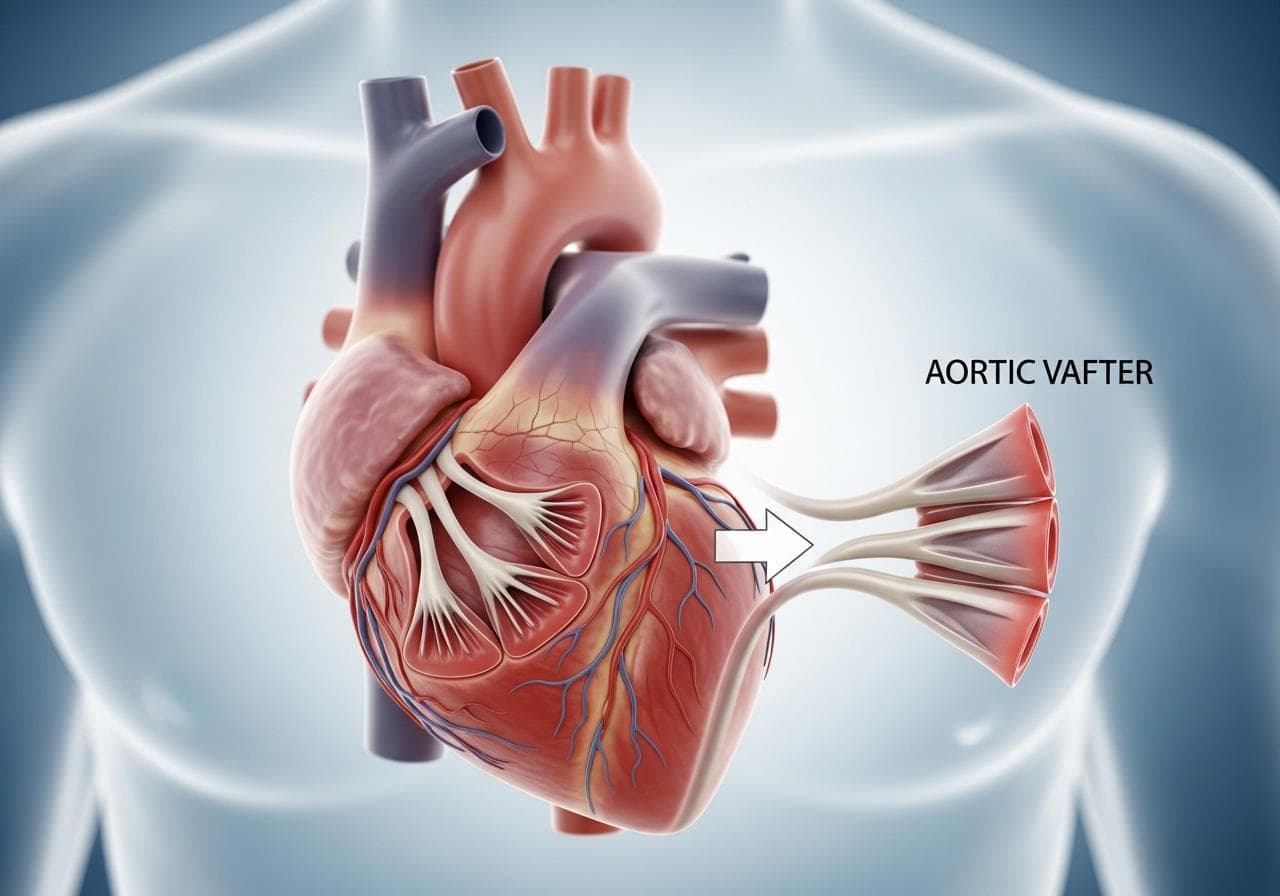
Research topics
Understanding Degenerative Aortic Valve Disease
Degenerative Aortic Valve Disease is a common condition that affects many seniors. As people age, their heart valves can stiffen or narrow, leading to various health issues. It’s essential for older adults to recognize the symptoms, which may include shortness of breath, fatigue, and chest pain. If you or a loved one are experiencing such symptoms, it’s crucial to seek medical advice promptly. Recognizing the problem early can make a significant difference in treatment options and outcomes.
Aortic Valve Replacement Overview
Aortic Valve Replacement is a surgical procedure aimed at replacing a dysfunctional aortic valve with either a bioprosthetic valve or a mechanical valve. The choice between these two types of valves generally depends on a person's age, activity level, and specific medical conditions. A bioprosthetic valve, made from animal tissue, might be suitable for those who prefer not to take lifelong blood thinners, while a mechanical valve is more durable, making it a viable option for younger patients who can handle anticoagulation therapy.
Types of Aortic Valve Replacement Procedures
There are several methods of performing aortic valve replacement, including Surgical Aortic Valve Replacement (SAVR) and Minimally Invasive Aortic Valve Replacement. SAVR is the traditional method that requires a larger incision in the chest, which might not be favorable for all senior patients. In contrast, the Transcatheter Aortic Valve Replacement (TAVR) method is less invasive, meaning shorter recovery times and reduced hospital stays for senior patients. This option is growing in popularity as it presents fewer risks in an older cohort.
Advantages of Minimally Invasive Techniques
Minimally Invasive Aortic Valve Replacement has been a game-changer for senior heart health. The technique involves smaller incisions and often leads to shorter hospital stays. Patients experience less pain post-operation and have quicker recovery periods compared to more traditional surgical methods. This is essential for seniors who may struggle with prolonged recovery times, making them more vulnerable to complications during traditional surgeries.
Assessing Risks Before Surgery
Before deciding on the type of valve replacement surgery, a thorough assessment is necessary. Doctors evaluate age, overall heart function, and other existing medical conditions to tailor the best approach for each individual. In many cases, a multidisciplinary team in cardiac surgery may be involved in evaluating the patient, allowing them to weigh the pros and cons of options like SAVR versus TAVR. For example, patients who have other health complications might benefit more from a less invasive approach.
Recovery After Valve Replacement Surgery
Post-operative care is crucial in ensuring a successful recovery after valve replacement surgery. Seniors may need assistance during their initial recovery phases, which could involve medication management, monitoring for signs of complications, and gradually increasing activity levels. Keeping scheduled check-ups is essential, and patients should be proactive in discussing any concerns with their healthcare providers. Staying informed post-surgery is key to ensuring lasting heart health.
Benefits of Choosing Bioprosthetic vs. Mechanical Valves
When more senior patients consider their options for valve replacement, they often must choose between bioprosthetic valves and mechanical valves. Bioprosthetic valves generally don't require long-term blood thinners, reducing the risk of bleeding complications, a critical consideration for elderly patients. Meanwhile, mechanical valves offer durability and longevity, but patients must adhere to anticoagulant therapy to prevent clots. Discussing these options thoroughly with a cardiologist can help seniors make informed decisions for their heart health.
Managing Post-operative Care and Lifestyle Adjustments
After undergoing valve replacement surgery, seniors may need to adjust their lifestyles to optimize recovery and maintain heart health. This encompasses dietary changes, regular exercise routines, and regular monitoring of heart health. It’s vital to follow the medical team's advice for lifestyle alterations post-surgery, as managing risk factors can lead to better long-term outcomes. Engaging in cardiac rehabilitation can also be beneficial, giving seniors an opportunity to work closely with health professionals and monitor their progress.
Staying Informed About Senior Heart Health
One of the best practices for senior aortic valve health is education. Resources like health libraries or online articles can provide vital information on subjects such as Degenerative Aortic Valve Disease and available treatment options. For instance, the article found here discusses health-related resources specifically for seniors, making it a valuable tool for anyone looking to deepen their understanding of their heart health. Knowledge empowers patients to take a proactive approach to their health, fostering better communication with healthcare providers.
Conclusion: Taking Charge of Your Heart Health
In conclusion, managing Degenerative Aortic Valve Disease is a multifaceted process that involves awareness, timely medical intervention, and adopting healthy lifestyles. Whether considering options like TAVR, SAVR, or living with a mechanical or bioprosthetic valve, it’s essential for seniors to engage actively with their healthcare teams. Knowledge is power, and having a constructive dialogue with doctors ensures that they can make well-informed decisions about their heart health. Remember, every step taken today can lead to a healthier heart tomorrow.
Posts Relacionados

000 Gift For Pancreatic Cancer Research
Pancreatic cancer research receives a substantial donation, aiding in the fight against this deadly disease.
000 Gift To Dana-Farber For Pancreatic Cancer Research
Pancreatic cancer research receives significant boost as generous donation of $000 made to Dana-Farber.

1Md Probiotics What Are The Side Effects
Reviews suggest potential side effects, including digestive issues; benefits, like improved gut health, may vary.