
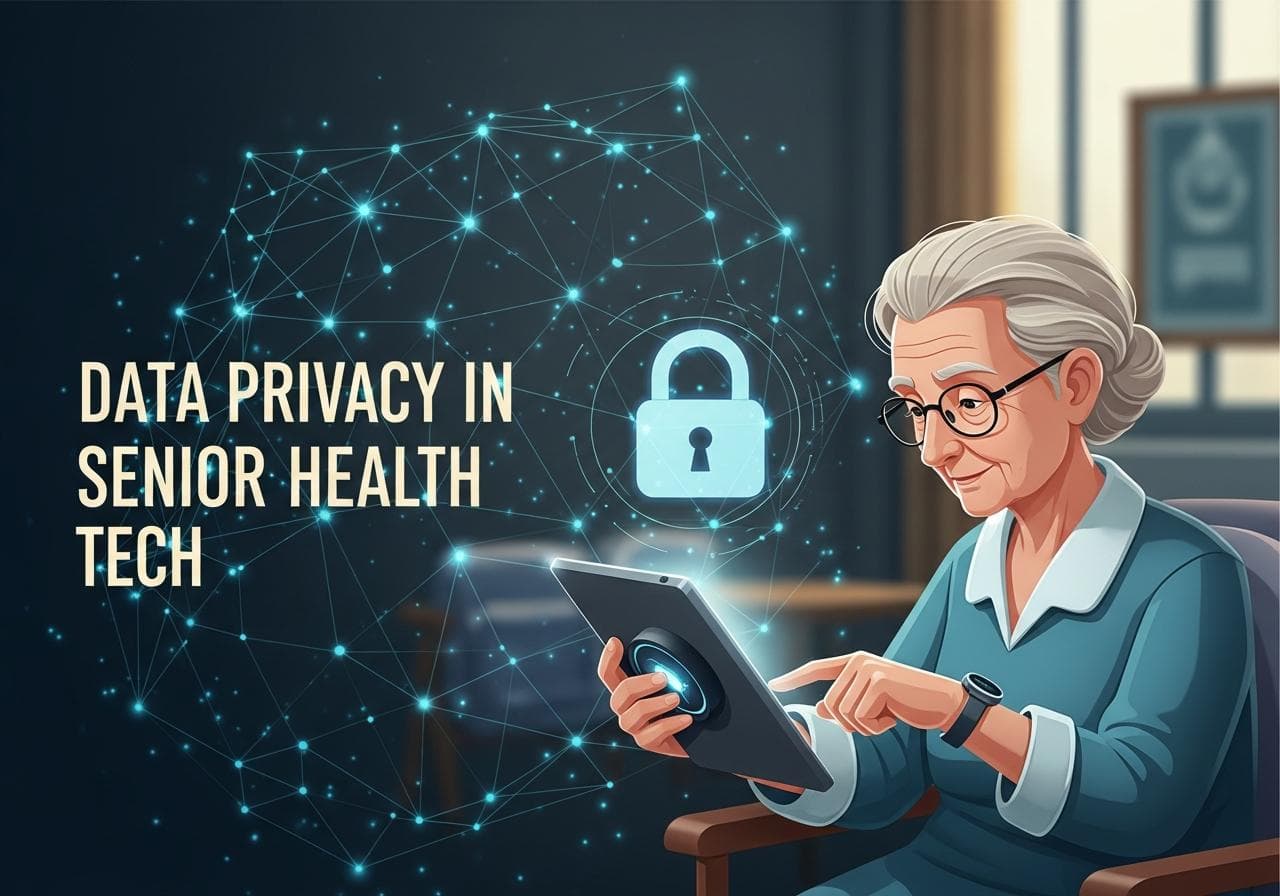
Data Privacy In Senior Health Tech
Protecting sensitive health information of seniors in technology is critical for their well-being and trust.
Research topics
Senior healthcare technology is rapidly evolving to improve the lives of elderly patients. However, with advancements comes a significant challenge: ensuring data privacy. The sensitive personal information of seniors raises concerns about how to protect it. In this blog, we’ll explore the complexities of data privacy in the realm of senior health tech and why access control is a crucial aspect of safeguarding this information.
The Importance of Data Privacy
Data privacy is paramount in the healthcare industry, especially when it comes to managing senior citizens' data. Seniors often have numerous health conditions that are sensitive in nature. Mismanagement of this data can lead to serious breaches of trust and legal ramifications. Healthcare providers must implement proper data security measures to protect against unauthorized access. The foundation of these measures often lies in effective access control mechanisms that ensure only authorized personnel can access sensitive information.
Understanding HIPAA Compliance
In the U.S., healthcare organizations must adhere to strict regulations, including the Health Insurance Portability and Accountability Act (HIPAA compliance). This federal law sets standards for protecting sensitive patient information. Violating HIPAA regulations can result in hefty fines and damage to an organization's reputation. For senior health tech companies, being HIPAA compliant isn't just a legal requirement; it's a commitment to protecting their clients.
Cybersecurity Challenges
Cybersecurity is another critical component of data privacy in senior health tech. As technology becomes more integrated into healthcare, the risk of cyberattacks increases. These attacks can lead to data breaches where personal information is stolen or compromised. An effective cybersecurity strategy must include tools for risk assessment, encryption, and continuous monitoring to identify vulnerabilities. Cybersecurity is not merely a technical issue; it’s a matter of trust.
The Necessity of Risk Assessment
Conducting a thorough risk assessment is essential for any organization dealing with sensitive data. This process involves identifying potential threats to data privacy and evaluating vulnerabilities within existing systems. Healthcare providers can then implement preemptive measures to mitigate risks. Regularly updating risk assessments ensures that protocols remain effective and relevant.
Data Security Protocols
Implementing robust data security protocols is crucial for protecting patient information. Organizations should focus on several key aspects, including access control, encryption methods, and regular security audits. With effective access control, sensitive data can be kept safe from unauthorized eyes. Staff training on data security is just as important, as humans often represent the weakest link in any security protocol.
Understanding Privacy Policies
A clear and transparent privacy policy fosters trust between seniors and healthcare providers. It informs them about how their data will be used, stored, and shared. Organizations must regularly review and update their privacy policies to ensure they align with best practices in data privacy. This is especially important in the fast-evolving world of technology where new threats emerge constantly.
The Role of Security Audits
Conducting regular security audits helps healthcare providers evaluate the effectiveness of their current data protection measures. It involves examining the systems in place, reviewing security logs, and assessing the overall compliance with HIPAA and other regulations. These audits serve as a wake-up call for organizations that may be lagging in their security practices, allowing them to take corrective actions before a data breach occurs.
Implementing Encryption
Encryption is a powerful tool for data protection. It encodes sensitive information, ensuring that even if data is intercepted during transmission, it remains unreadable to unauthorized parties. For senior health tech products, end-to-end encryption should be a standard feature. This practice enhances patient privacy while also building confidence in technology among seniors and their families.
Conducting Vulnerability Assessments
A vulnerability assessment identifies weaknesses within an organization’s systems that could be exploited by cyber adversaries. This proactive approach allows for timely remediation of identified vulnerabilities, thus minimizing the risk of data breaches. Regular assessments provide organizations with a clear picture of their security posture and help them stay one step ahead of potential threats.
Access Control Measures
Effective access control is the cornerstone of data privacy in senior health tech. Organizations must adopt strict protocols that limit access to sensitive information based on the principle of least privilege. This means that employees should only have access to the data necessary for their roles. Implementing multi-factor authentication can enhance access control measures, adding an extra layer of security.
Incorporating Technology in Access Control
Modern technology offers various solutions to strengthen access control. Biometric systems, such as fingerprint or facial recognition, can be employed for secure authentication. Secure keycards and mobile app-based access can also enhance security measures. Investing in technology that provides reliable access and audit trails allows organizations to monitor and control who accesses sensitive data effectively.
Data Breaches and Their Consequences
The consequences of a data breach can be devastating—not only for the individuals affected but also for the organizations involved. The loss of consumer trust can lead to a decline in business, alongside potential legal ramifications. Lessons learned from past breaches highlight the importance of staying proactive about data privacy. Compliance with regulations, along with robust cybersecurity practices, can significantly mitigate the risks of a breach.
Education and Training for Compliance
For organizations, regular training and education about compliance and data privacy is essential. Employees should be made aware of privacy policies, HIPAA regulations, and the importance of following security protocols. From phishing attacks to proper data handling practices, comprehensive training can help defend against data breaches that stem from human error.
Creating a Culture of Privacy
Establishing a culture of privacy starts from the top down. Leadership must prioritize data privacy and establish protocols that reflect the organization’s commitment to protecting sensitive data. Open discussions about data privacy can cultivate an environment where everyone feels responsible for safeguarding information. Encourage employees to share their concerns about potential vulnerabilities without the fear of repercussions.
Future Trends in Senior Health Tech
As we look toward the future, senior care tech trends indicate the integration of more advanced technologies that will further complicate data privacy challenges. AI and machine learning will likely be utilized for predictive analytics, but they will also create new concerns regarding data aggregation and privacy. The emphasis on consistent risk assessment and updated privacy policies will be essential to address these challenges.
Final Thoughts on Data Privacy in Senior Health Tech
In summary, data privacy in senior health tech is multifaceted and crucial for fostering trust and safety. The emphasis on access control cannot be overstated—it is the key to ensuring only those who are authorized can view sensitive information. Organizations that prioritize cybersecurity, conduct regular vulnerability assessments, and create a strong culture of data privacy will not only comply with regulations but will also contribute positively to the health and well-being of seniors. For further training in senior health technology, consider enrolling in a program at Golden West College.
Explore More Learning Opportunities
If you are interested in furthering your education and understanding of senior health technology, check out the certification program available at Golden West College's Senior Health Tech Certification. Keeping up with trends, regulations, and security measures is key for anyone working in this vital sector.
Posts Relacionados
1-800 Number For Panasonic
Contacting Panasonic customer support is easy with their toll-free number for assistance.
10 Reliable Task Management Apps For Android
Task management apps for Android can help users stay organized and productive.
10 Smartsheet-Like Apps For Collaboration
This article explores ten collaboration apps similar to Smartsheet, offering various features and functionalities.