
Electrical Grounding Code Compliance
Ensuring a safe electrical system necessitates grounding. This critical element diverts fault currents, preventing shocks and fires.
Research topics
What is Electrical Grounding?
Electrical grounding is a vital aspect of electrical safety, providing a common reference point for electrical systems and equipment, and ensuring that any undesirable electrical energy finds a safe path to the ground. This is essential for the protection of both people and equipment. Proper grounding can prevent electrical shocks, equipment failures, and even fires caused by unintentional ground faults.
The Importance of Electrical Safety
Electrical safety is paramount in every setting, whether residential, commercial, or industrial. A significant part of ensuring electrical safety lies in adhering to grounding requirements as specified by the NEC (National Electrical Code). By complying with the NEC grounding standards, you mitigate risks associated with electrical hazards. Grounding acts as a defense barrier, assisting in the safe management of excess electrical energy and preventing dangerous accidents.
Grounding Code Compliance
Compliance with the grounding code is not just a regulation; it's a necessity. Different jurisdictions may have unique codes and requirements, but the core principles remain the same. Familiarizing yourself with local grounding codes is the first step in ensuring safety. Grounding codes provide guidance on how to install and maintain grounding systems effectively, promoting durability and reliability while safeguarding against faults and failures.
Understanding Grounding Systems
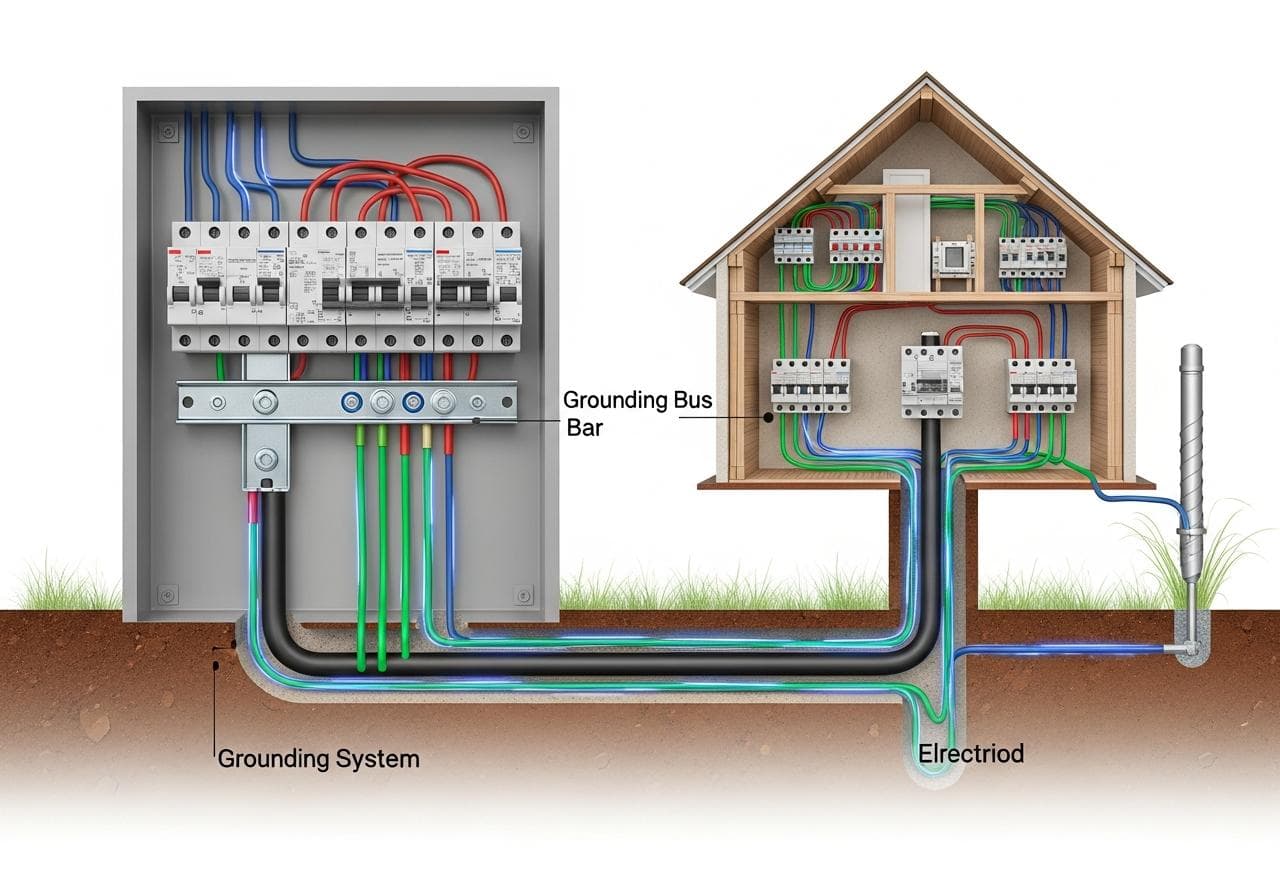
Grounding systems involve several components including grounding electrodes, grounding conductors, and methods of bonding different systems to a common ground. Grounding electrodes are conductive elements, typically rods or plates buried in the ground, that safely dissipate electrical energy. The grounding conductors serve as the path that connects these electrodes to the electrical system, ensuring that any unwanted electrical current flows towards the ground and not through a person's body or equipment.
Grounding Electrodes Explained
The term grounding electrodes refers to the physical components that are installed to bring electrical currents to the ground. These can take various forms including ground rods, metal water pipes, and concrete-encased electrodes. Each installation type may have different grounding requirements based on the environment and applicable regulations. It’s essential to follow proper installation practices that comply with grounding codes to maintain safety.
Grounding Conductors and Their Role
Once grounding electrodes are set in place, the next step involves the installation of grounding conductors. These wires are crucial as they connect the rest of the electrical system to the grounding electrodes. Choosing the correct size and type of grounding conductor is significant to ensure effectiveness and compliance. Failing to use proper conductors can lead to increased resistance and may not effectively redirect ground faults.
Understanding Grounding Requirements
Grounding requirements vary significantly based on the type of installation and the associated electrical loads. Whether you're dealing with residential outlets or industrial machinery, it's crucial to understand the specific grounding requirements for each application. Regular inspection of the grounding system ensures protection against ground faults, which can cause not just equipment damage but serious safety incidents.
Bonding vs. Grounding
Bonding and grounding are often confused terms, but they serve different purposes in an electrical system. Bonding ensures that different conductive systems are electrically connected, while grounding provides a path for excess electrical current to flow into the earth. Proper bonded connections can minimize the risk of electric shock by reducing the potential difference between different conductive parts in a system.
The Role of Ground Faults in Electrical Systems
A ground fault occurs when there is an unintended path for electricity to flow to the ground. This often happens due to faulty appliances or worn wiring. Ground fault protection is a critical safety measure that needs to be incorporated into electrical systems to detect and isolate faults quickly before they can cause harm. Understanding ground faults and implementing preventative measures can considerably enhance safety for both individuals and equipment.
Best Practices for Electrical Grounding Compliance
To guarantee compliance with grounding standards, individuals and professionals should follow these best practices: always refer to the NEC guidelines, regularly inspect grounding systems, use quality equipment and materials, and engage qualified electricians for installation. Moreover, staying aware of new technologies and updates in grounding codes can greatly improve safety standards.
Practical Tips for Enhanced Electrical Safety
Ensuring electrical safety requires more than just compliance with the code. Here are some practical tips: install ground jumpers for temporary installations, use warning signs to alert of static and grounding requirements, and take part in workshops and training programs on electrical safety. Keeping informed reduces potential hazards significantly.
The Importance of Regular Training and Awareness
Ensuring awareness and regular training in electrical safety can make a world of difference. Use resources like safety signs to remind personnel of the importance of grounding and compliance. This ensures that everyone in a facility understands the measures necessary to maintain a safe working environment, reinforcing the importance of grounding requirements and systems.
Engaging with the Community for Safety Initiatives
Community initiatives play an important role in promoting electrical safety. Participating in local safety campaigns can enhance awareness about electrical hazards, and provides an opportunity to share resources and tips on compliance with grounding codes. Collaborating with local electrical safety organizations can also lead to better grounding practices and a more knowledgeable community.
Conclusion: Safety Comes First
In conclusion, prioritizing electrical grounding code compliance is essential for ensuring safety in any electrical installation. Understanding the different components involved in grounding systems, along with the requirements set by codes, can significantly reduce the risk of accidents and malfunctions. By following best practices, conducting regular inspections, and engaging with the community, we can foster a culture of safety that protects both people and equipment from harm.
Posts Relacionados
3 Roofing Companies That Will Make Your Roof Look New Again
Transform your old roof with expert roofing services. Choose from top-rated companies for a stunning new look.

4 Season Sunroom Budget Costs
Building a sunroom involves significant costs, varying based on size, materials, and features.

5 Roofing Companies That Will Make Your Roof Look New Again
Discover the top roofing companies that specialize in transforming old roofs into stunning new ones.