
Erv Vs Hvac Key Differences
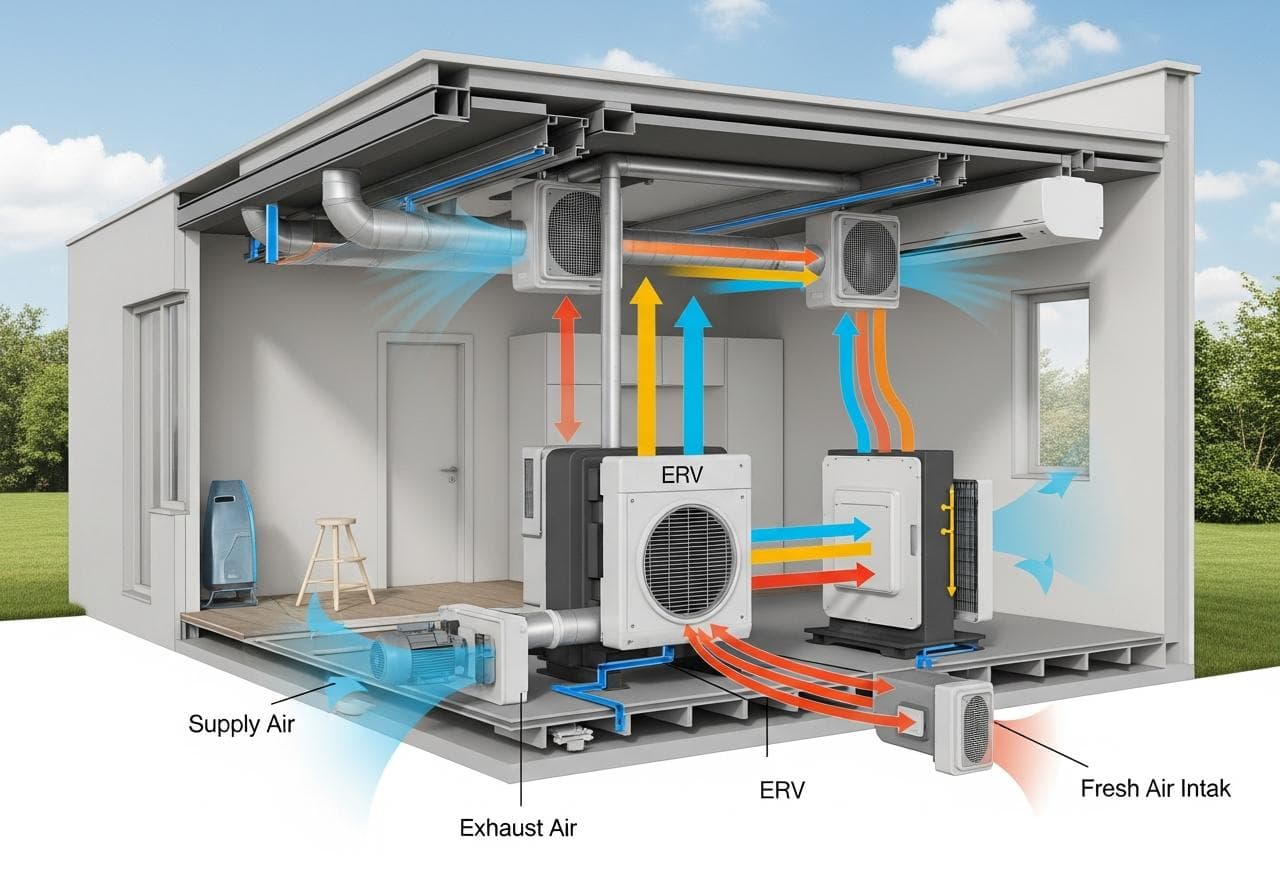
ERVs and HVAC systems work together for efficient ventilation, temperature control, and improved indoor air quality.
Research topics
When it comes to maintaining optimal indoor air quality, knowing the difference between Energy Recovery Ventilation (ERV) and traditional HVAC systems is essential. Both systems are crucial for healthy living spaces, but they serve slightly different purposes and come with varying installation costs. This post dives into the key differences to help you decide what's best for your home.
Understanding HVAC Systems
HVAC systems, which stands for heating, ventilation, and air conditioning, are designed to manage the temperature and air flow in your home. They typically involve a combination of air handling units, ductwork, and different components tailored to heating or cooling spaces. Most people are familiar with traditional HVAC setups that regulate temperature without providing significant fresh air, which is where ventilation systems come into the picture.
What is Energy Recovery Ventilation (ERV)?
Energy Recovery Ventilation (ERV) systems focus on maintaining indoor air quality by exchanging stale indoor air with fresh outdoor air, while recovering heat or cooling in the process. This technology is especially beneficial in climates where maintaining humidity levels is critical. The systems balance air quality with energy efficiency, a win-win for your health and your energy bills.
Key Differences: ERV vs HVAC
The most significant difference between ERV and traditional HVAC lies in their primary functions. While HVAC provides temperature control, ERVs enhance ventilation without sacrificing comfort or major energy consumption. HVAC systems can operate independently of ventilation, but they often neglect to bring in fresh air unless properly integrated with ventilation systems.
ERV HVAC Integration
ERV HVAC integration refers to connecting these systems to work in harmony. When integrated properly, ERVs can use the incoming cool outdoor air to pre-cool or pre-heat the air that the HVAC system is about to condition. This not only enhances efficiency but can also reduce installation costs because you might be able to downsize your HVAC equipment. For more insights on ERV HVAC integration, check out this article from Exinda Group.
Heat Recovery Ventilation (HRV)
A cousin of ERVs, Heat Recovery Ventilation (HRV) systems work under a similar premise but focus primarily on temperature balance rather than humidity. While both systems transfer heat from the outbound stale air to the inbound fresh air, HRVs do not condition humidity levels, making them unsuitable for areas with high humidity. Therefore, the choice between ERVs and HRVs often comes down to your local climate and ventilation needs.
Enhancing Air Quality
Maintaining air quality in your home is paramount for comfort and health, and this is where ERVs shine. They not only replace stale air but also filter pollutants while recovering energy. HVAC systems can be outfitted with high-efficiency particulate air (HEPA) filters that improve indoor air quality, but these setups often lack the benefits of fresh air that ERVs provide.
Smart Home Integration and Building Automation
In this age of technology, combining building automation with smart home integration is an attractive option. Both HVAC and ERV systems can be equipped with smart controls that allow for on-demand adjustments based on real-time environmental data. This allows homeowners to maintain their desired comfort levels while optimizing energy efficiency.
Installation Costs
One of the major factors to consider when choosing between an ERV and an HVAC system is installation costs. HVAC systems are generally more expensive to install, especially when ductwork needs to be retrofitted or replaced. An ERV can be a cost-effective alternative, especially in homes that already have a forced air system. The initial setup may be higher, but the long-term savings on energy bills can offset those costs. For guidance on integrating these systems, you might find this article useful.
Air Handling Units and Ductwork
When installing either system, you'll be dealing with air handling units and ductwork. HVAC systems often require extensive duct networks to distribute conditioned air throughout your home. In contrast, ERVs can sometimes be connected to existing ductwork, which can minimize installation costs and logistical hassles. Make sure to consult a professional when calculating the best setup for your needs.
Environmental Impact
Both ERVs and HVAC systems contribute to the overall environmental footprint of energy use in a home. However, ERVs offer a more eco-friendly choice by using recovered energy, minimizing electricity consumption in the long run. By opting for energy-efficient models, homeowners can play a part in reducing their carbon footprint while enjoying fresh, filtered air.
Maintenance Considerations
Maintenance is an essential aspect to consider. HVAC systems require regular filter changes and check-ups to operate effectively, while ERVs also need routine care to ensure they work efficiently. Keeping up with maintenance can save more money on installation costs over time by preventing major repairs or replacements. It's essential to understand the requirements to enjoy the fullest benefits from either system.
Final Thoughts
In conclusion, whether you choose an ERV or an HVAC system really comes down to your specific needs, existing infrastructure, and budget. The discussion around installation costs is significant because what you spend upfront can reflect on your utility bills in the future. Armed with the knowledge of how these systems work and their differences, you can make an informed decision that best suits your lifestyle. Evaluating and enhancing your indoor air quality should always be a priority. After all, your home should be a sanctuary, not just a living space!
Posts Relacionados
3 Roofing Companies That Will Make Your Roof Look New Again
Transform your old roof with expert roofing services. Choose from top-rated companies for a stunning new look.
4 Season Sunroom Budget Costs
Building a sunroom involves significant costs, varying based on size, materials, and features.

5 Roofing Companies That Will Make Your Roof Look New Again
Discover the top roofing companies that specialize in transforming old roofs into stunning new ones.