
How Aortic Valve Surgery Is Performed
Aortic valve surgery involves replacing or repairing a diseased valve to restore blood flow.
Research topics
Aortic valve surgery is a crucial medical procedure aimed at treating conditions related to the aortic valve, such as aortic valve stenosis or regurgitation. This surgery can significantly improve the quality of life for patients suffering from heart issues. In this blog, we will explore how aortic valve surgery is performed, the different types of surgeries available, recovery expectations, and vital information about costs and complications.
Understanding Aortic Valve Diseases
The aortic valve plays an essential role in regulating blood flow from the heart to the body. When it fails to function correctly, it can lead to serious complications. Common conditions that require surgery include:
- Aortic Valve Stenosis: A condition where the valve becomes narrowed, restricting blood flow.
- Aortic Regurgitation: A situation where the valve does not close properly, causing blood to flow backward into the heart.
These issues can lead to heart failure, so timely intervention is vital. Depending on the severity of the valve condition, a doctor may recommend various surgical options.
Types of Aortic Valve Surgery
There are two primary types of surgical approaches to treat aortic valve issues:
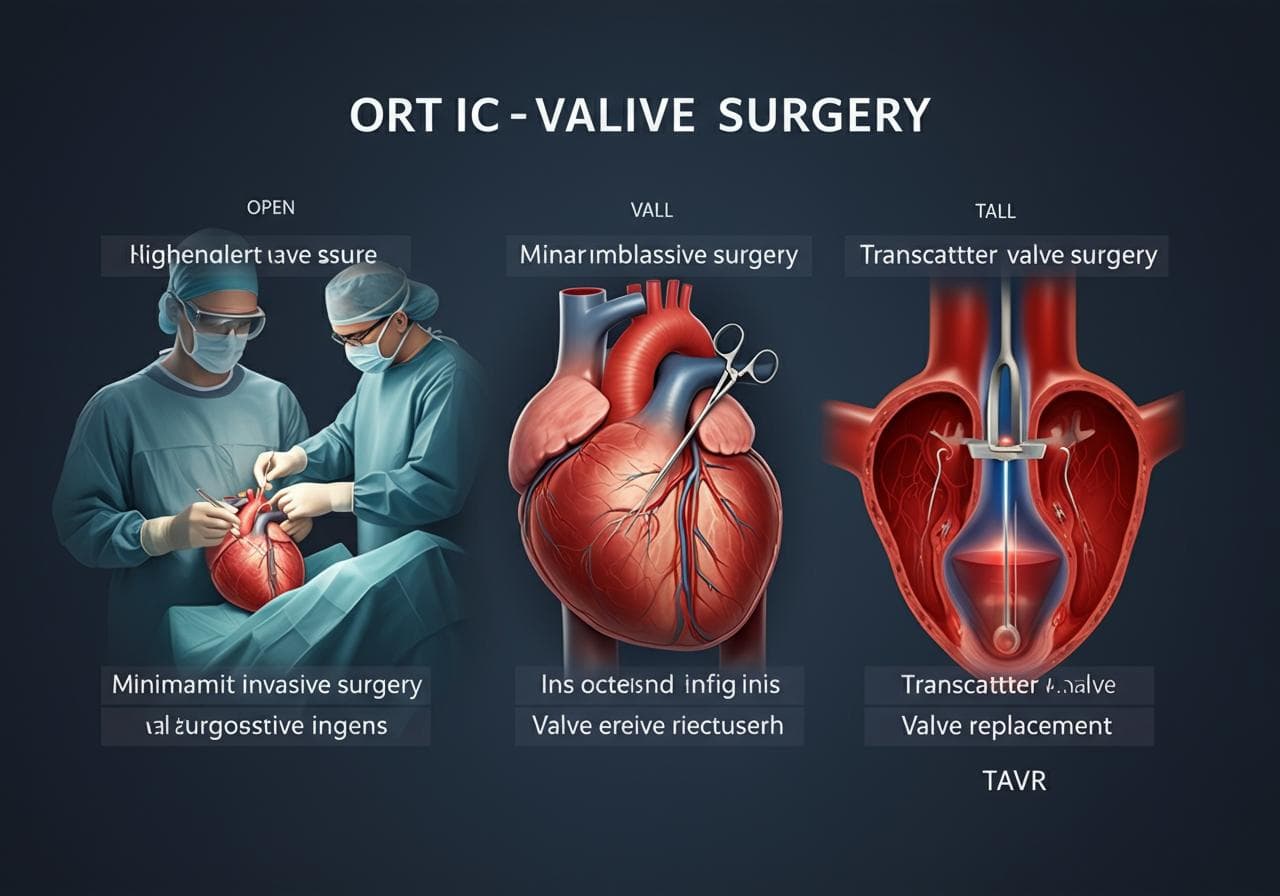
Open heart surgery for aortic valve replacement involves making a large incision in the chest to access the heart. This traditional method allows the surgeon to replace or repair the valve with great precision. It is generally recommended for patients with severe valve damage.
For those who qualify, minimally invasive aortic valve surgery is a less traumatic option. Smaller incisions are made, leading to a shorter recovery time and reduced complications. This approach uses advanced technology to facilitate the procedure, often resulting in less post-operative pain and quicker healing.
For patients who may be considered high-risk for open heart surgery, transcatheter aortic valve replacement (TAVR) is an innovative alternative. In this procedure, a catheter is used to insert a new valve through a blood vessel, usually in the thigh. This technique is less invasive and can be performed under local anesthesia. Its efficiency and safety records have made it a popular choice for many heart patients.
If you're curious about TAVR and want to explore it further, you can read more about it here.
The Aortic Valve Surgery Procedure
No matter which surgical option is chosen, there are specific steps involved in the procedure:
Aortic Valve Surgery Costs
Several factors influence aortic valve surgery cost, including the type of procedure, the facility, and whether you have insurance. On average, the cost for an open heart surgery can range from $50,000 to $200,000, whereas minimally invasive procedures may be slightly less expensive. It’s essential to check with your insurance providers for exact coverage and out-of-pocket expenses.
Understanding Recovery
The recovery process is an essential aspect of aortic valve surgery. Patients typically stay in the hospital for several days to monitor their progress. Postoperative care may include:
- Medication to manage pain and prevent infection
- Physical therapy to regain strength
- Regular follow-up appointments with healthcare providers
Patients usually experience significant improvement in their symptoms within weeks. For some, complete aortic valve surgery recovery may take several months, but the outcome is often worth it.
Potential Complications
As with any surgical procedure, aortic valve surgery complications can occur, including:
- Infection at the incision site
- Blood clots
- Arrhythmias
- Valve dysfunction
While complications are rare, it’s important for patients to be aware and discuss potential risks with their surgeons prior to the procedure.
Coping with the Emotional Aspect
Going through heart surgery can be emotionally challenging. It's essential to have a strong support system in place, including family, friends, or even support groups. Many patients find it helpful to talk to others who have undergone similar procedures for encouragement and advice.
Conclusion
Aortic valve surgery is an impactful procedure that can restore heart function and improve overall health. Whether you are considering aortic valve replacement surgery or aortic valve repair surgery, understanding the process, costs, and recovery timeline is vital. For more information about the surgery options and what to expect, visit here or check out this resource.
Posts Relacionados

000 Gift For Pancreatic Cancer Research
Pancreatic cancer research receives a substantial donation, aiding in the fight against this deadly disease.

000 Gift To Dana-Farber For Pancreatic Cancer Research
Pancreatic cancer research receives significant boost as generous donation of $000 made to Dana-Farber.

1Md Probiotics What Are The Side Effects
Reviews suggest potential side effects, including digestive issues; benefits, like improved gut health, may vary.