
Motion Sensors In Elderly Care
These sensors enhance safety by monitoring movement, enabling timely assistance and promoting independence in senior living.
Research topics
As we grow older, the concept of aging in place becomes increasingly vital. It’s about ensuring that seniors can live independently in their own homes for as long as possible. A crucial aspect of this is the integration of technology to enhance their safety and well-being. Among these technologies, motion sensors stand out. Let’s take a closer look at how motion sensor installation can transform elderly care.
The Role of Motion Sensors in Elderly Monitoring
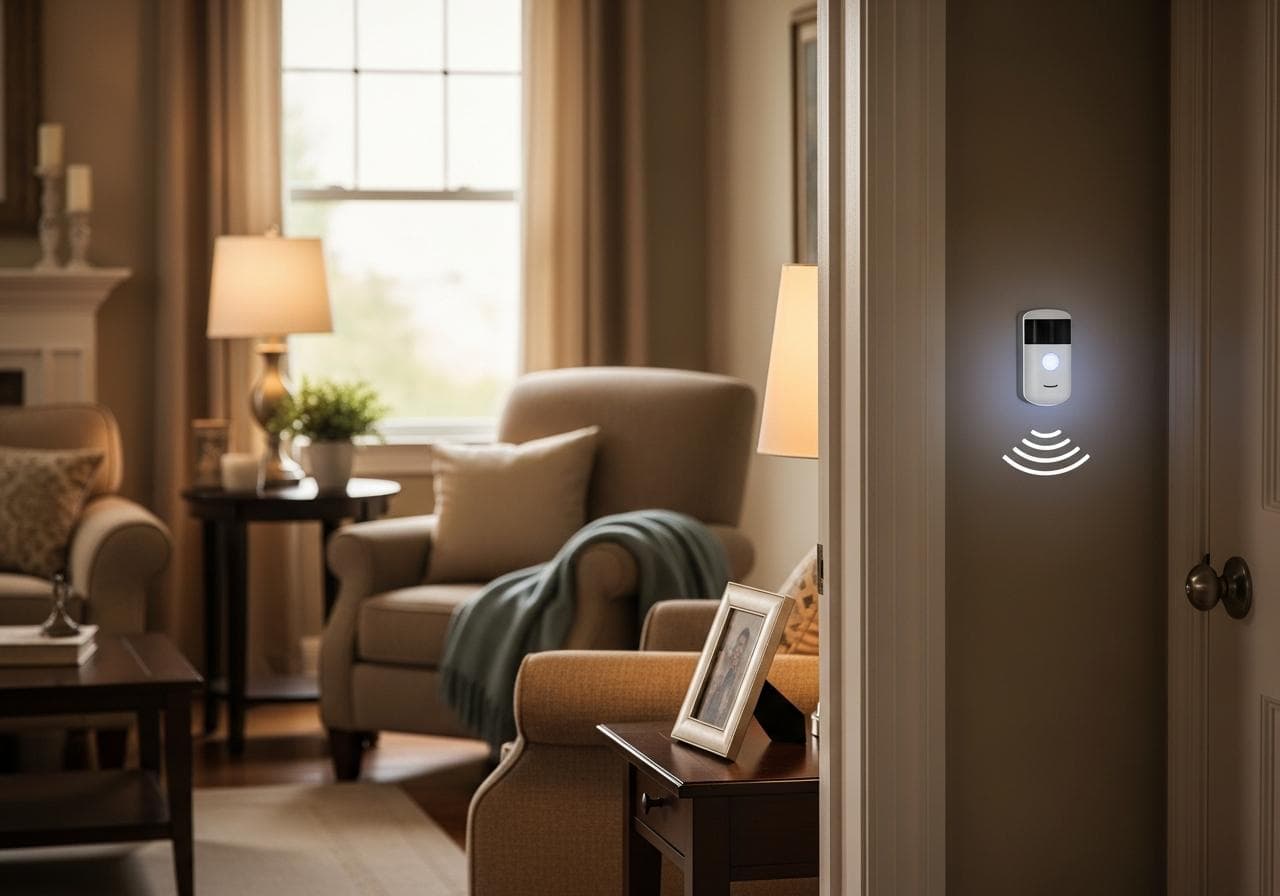
Motion sensors have become essential components of an elderly monitoring system. These devices are strategically placed within the home, serving multiple purposes. From ensuring safety to providing peace of mind for family members, motion sensors can detect movement and alert caregivers or family when something seems off. This is particularly beneficial for seniors with memory issues, as they often forget to turn off lights or may wander from safe areas.
Fall Detection System: A Safety Net for Seniors
One of the significant risks for seniors is falls. Personal fall detection systems can be integrated with motion sensors to provide immediate alerts when a fall occurs. For instance, when a motion sensor doesn’t detect movement for a set period, it can trigger a notification to a caregiver or loved one. This is vital in ensuring that help is provided swiftly, reducing the risks associated with prolonged exposure after a fall.
Creating a Smart Home For Seniors
Motion sensors are pivotal in building a smart home for seniors. Imagine a home where lights turn on automatically when someone enters a room, or where the thermostat adjusts based on occupancy. These features not only enhance comfort but also support seniors’ decision-making and independence. Integrated with home automation systems, these sensors create an environment tailored to the needs of elderly users.
Benefits of Assisted Living Technology
In the realm of assisted living technology, motion sensors are invaluable. They allow caregivers to track the daily activities and patterns of seniors without being intrusive. For instance, an activity monitoring system could record when seniors are active and when they are resting, providing insights that help caregivers anticipate needs or recognize changes in behavior. This continuous feedback can enhance care and ensure well-being.
Remote Patient Monitoring and Motion Sensors
Remote patient monitoring has gained traction due to its ability to keep tabs on patients from afar. With motion sensors linked to health monitoring devices, family members and healthcare providers can stay updated on a senior's activity levels and health status. In homes configured for aging in place, this technology can be a lifeline, offering reassurance to both the elderly and their loved ones.
Integrating Telehealth Solutions with Motion Sensors
Moreover, the integration of telehealth solutions with motion sensors allows for seamless communication between seniors and healthcare professionals. Regular health checks can be scheduled based on activity levels detected by motion sensors. If a senior hasn’t been active for an extended period, it’s easy to initiate a video call or a check-in from a physician, ensuring continuous health management.
Safety Devices For Seniors: Enhancing Security
Motion sensors can also work in tandem with other security devices for seniors. For example, they can be linked to security cameras that monitor the exterior of the home. Also, alarms can be triggered if unauthorized movement is detected, safeguarding seniors who wish to remain independent. This layered approach to safety offers peace of mind for both seniors and their families.
Dementia Care Technology and Motion Sensors
For those dealing with dementia, the right dementia care technology is essential. Motion sensors can help manage wandering, a common issue among those with cognitive decline. Parents can be alerted if their loved one leaves designated safe zones. This simple integration can significantly reduce anxiety for families and caregivers who struggle with the unpredictability associated with dementia.
Home Automation For Elderly: A Seamless Experience
Home automation for the elderly takes the convenience of motion sensors a step further. Sensors can trigger various home appliances based on detected activity. For instance, when a person approaches the kitchen, the coffee maker can start brewing automatically, simplifying daily tasks. Such automation encourages seniors to maintain autonomy while ensuring their safety.
Merging Technology with Aging In Place
As technology evolves, so too do the solutions for elderly care. Motion sensors are at the forefront of this change, offering support and safety as seniors age in place. With the right systems in place, such as an elderly monitoring system, families can rest easy knowing their loved ones are well looked after. Learn more about how these technologies can help at Age Space.
Challenges and Considerations
While the benefits of motion sensors are evident, there are also challenges to consider. Not all seniors are tech-savvy, and installing new technology can be intimidating. It’s vital to approach the concept of motion sensor installation with care, ensuring that seniors feel comfortable using the technology. Support, guidance, and patience are crucial as families navigate these waters together.
Embracing Change: Adapting to New Technologies
Adapting to these new technologies requires understanding and empathy. Family members need to communicate with their elderly relatives, helping them understand the purpose of motion sensors and other home automation tools. An open dialogue can ease fears and encourage seniors to engage with the technology that can improve their quality of life.
Real-Life Applications of Motion Sensors
Motion sensors have practical applications in various scenarios. For instance, some motion sensor products feature door alarms that alert caregivers if a door is opened unexpectedly. These devices can be purchased as add-ons, such as this door alarm sensor. Such integrations can empower families to focus on care without constant worry about a wandering senior.
The Future of Elderly Care Technology
As we look ahead, the landscape of aging in place technology continues to evolve. Motion sensors stand as a testament to the marriage between technology and care. By joining the existing ecosystem of telehealth solutions, activity monitoring, and safety devices for seniors, they pave the way for a future where aging in place becomes the standard rather than the exception.
Conclusion: A Thoughtful Approach to Implementation
In summary, motion sensors are a game changer in the landscape of elderly care. By integrating systems for remote patient monitoring, activity monitoring, and home automation for the elderly, we can create a safer and more responsive living environment for seniors. This holistic approach ensures that as our loved ones age, they remain comfortable, engaged, and as independent as possible. Exploring more options can further this effort, so be sure to check out resources that offer insights into the best systems available.
Posts Relacionados
1-800 Number For Panasonic
Contacting Panasonic customer support is easy with their toll-free number for assistance.
10 Reliable Task Management Apps For Android
Task management apps for Android can help users stay organized and productive.
10 Smartsheet-Like Apps For Collaboration
This article explores ten collaboration apps similar to Smartsheet, offering various features and functionalities.