
Protect Your Home Network
Secure your network by using strong passwords, updating software, and enabling firewalls for robust security measures.
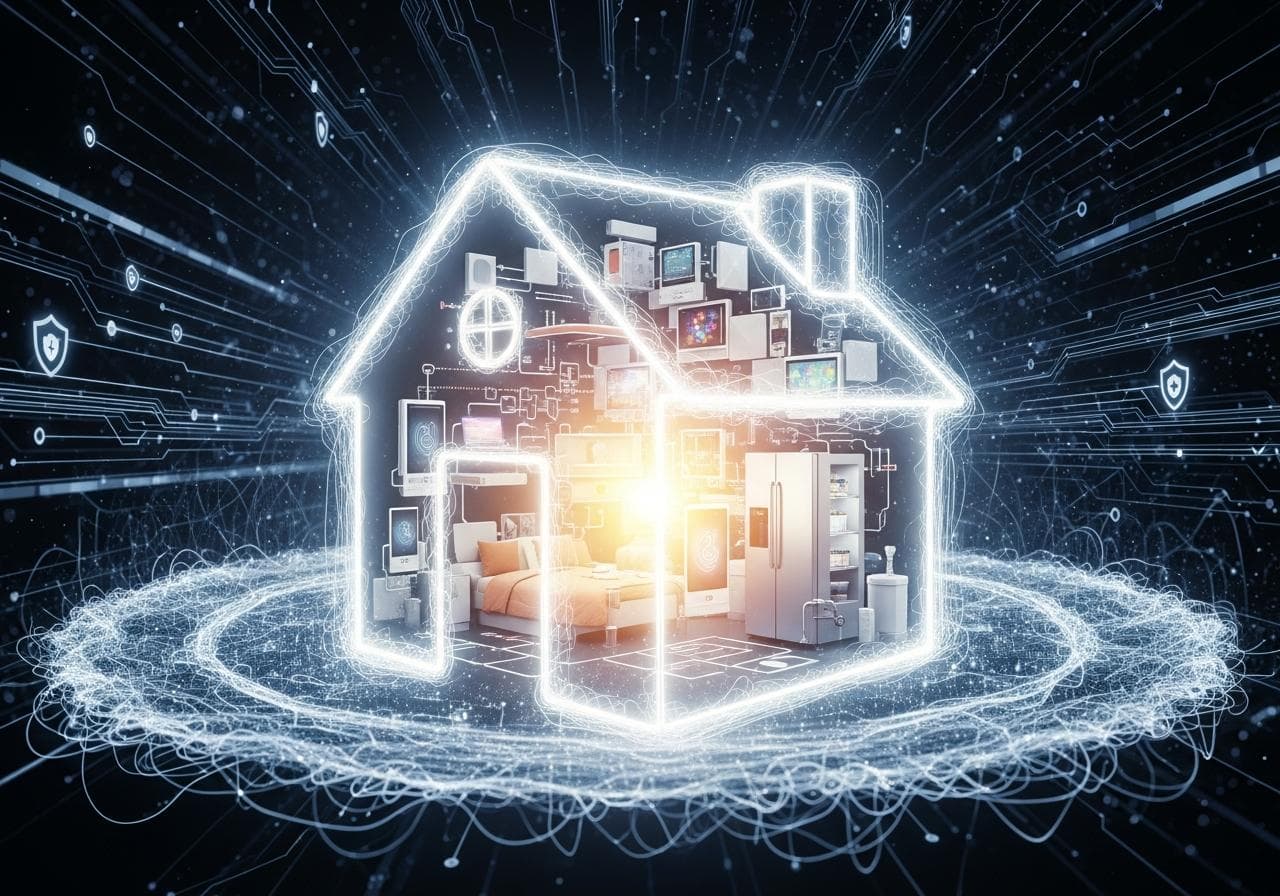
Research topics
Understanding the Importance of Network Security
In our digital age, protecting your home network has become more critical than ever. With countless devices connected to your network, from laptops to smart fridges, a weak line of defense can lead to disastrous data breaches. Cybercriminals are constantly looking for vulnerabilities, so understanding network security principles is key to keeping your information safe.
Whether you work from home, stream your favorite shows, or simply browse the web, knowing how to secure your network is crucial. To start, let's dive into some effective measures you can take.
Securing Your Router
Your router is the gateway to the internet and a prime target for cyber threats. Implementing router security can dramatically reduce the risk of unauthorized access. First, change the default login credentials. Manufacturers often use easy-to-guess passwords which can be found online. Make sure your router is secured with a strong, unique password.
Additionally, disable WPS (Wi-Fi Protected Setup) and UPnP (Universal Plug and Play) features, as they can be exploited. Regularly update your router’s firmware to patch vulnerabilities and keep the router settings private.
Implementing a Firewall
A firewall acts as a barrier between your home network and the external world. Installing a robust firewall can help you monitor incoming and outgoing traffic while preventing unauthorized access. Consider using both hardware and software firewalls for enhanced protection.
In many cases, your router will have a built-in firewall feature that you can enable. However, relying solely on this isn't enough. Pair it with a dedicated software firewall to ensure both incoming and outgoing traffic is scrutinized.
Using a Virtual Private Network (VPN)
A VPN is an essential tool for securing your internet connection. It encrypts your data, making it difficult for cybercriminals to intercept your information, especially on public networks. A VPN can provide an additional layer of protection that can keep your online activities private and secure.
When selecting a VPN, do your research. Look for a reliable provider that emphasizes security, has a no-logs policy, and offers robust encryption standards. Invest in a quality VPN service that aligns with your needs and enhances your online privacy.
Establishing Wireless Security Measures
Wireless networks are often more susceptible to attacks compared to wired ones. Ensuring wireless security is paramount to protecting your home network. One of the first steps in securing your wireless network is using WPA3 encryption, if your router supports it.
Consider hiding your network's SSID (Service Set Identifier), which will make it less visible to potential intruders. Additionally, consider setting up a guest network for visitors to prevent them from accessing your primary network and devices.
Protecting IoT Devices
With the rise of smart home technology, it’s essential to focus on IOT security. Every internet-connected device can be a potential entry point for cybercriminals. Always change default passwords and keep firmware up to date as manufacturers often release security patches to address vulnerabilities.
When purchasing IoT devices, ensure they come from reputable brands that have a good track record for security. Many devices may track your behavior or collect sensitive data; hence prioritize those that have strong security measures in place.
The Role of Antivirus Software
Investing in quality antivirus software is a critical part of ensuring your home network safety. It helps detect and neutralize threats like malware before they can infect your devices. Look for comprehensive solutions that offer real-time streaming protection, scheduled scans, and additional features like a password manager.
Regularly update your antivirus software to stay protected against the latest threats. Remember, having antivirus software is not a silver bullet; it should complement other security measures for maximum protection.
Utilizing a Password Manager
One of the common causes of a data breach is weak or reused passwords. A password manager can help you create, store, and manage complex passwords securely. These applications generate unique passwords for each of your accounts, ensuring that even if one account is compromised, your other accounts remain secure.
Additionally, enabling two-factor authentication on sensitive accounts where possible adds an extra layer of security. Make sure to choose a reliable password manager with strong encryption standards.
Understanding Encryption
Encryption is a fundamental aspect of cybersecurity. It transforms your data into a code, making it practically unreadable to intruders. Utilize encryption not only on your Wi-Fi network but also on your devices, cloud storage, and when sharing sensitive information online.
Increased data privacy ensures that if your information is intercepted, it remains safe from prying eyes. Many modern operating systems offer built-in tools for encrypting files or entire drives, enhancing your data security significantly.
Establishing Malware Protection
Malware protection is another critical management feature to invest in. This includes programs that combat viruses, spyware, and other malicious software. Ensure that your antivirus software includes vital malware protection features.
Regularly updating all software and operating systems with security patches can help close vulnerabilities that malware could exploit. Conduct periodic scans of your network for anomalies, such as unexpected traffic patterns or unauthorized devices.
Staying Informed About Data Breaches
Awareness is key in the fight against cybersecurity threats. Following developments in cybersecurity can help you stay one step ahead. Keep an eye on reputable news sources or subscribe to services that alert users of known breaches and vulnerabilities.
Understanding the risks associated with each breach empowers you to take preventive actions. If a service you are using has suffered a data breach, change your passwords immediately and review your account security options.
Conclusion
Protecting your home network from data breaches requires a holistic approach. Implementing measures like firewalls, using a VPN, and focusing on IoT security can profoundly impact your home cybersecurity. You can get more tips and insights by visiting Stay Safe Online or check out the detailed resources at Zenarmor.
Moreover, diving deep into the world of home network security allows you to understand the different aspects of cybersecurity and how to seek help if you ever feel overwhelmed. Balter's over-engineered network article is a great resource for thought-provoking insights. Start securing your home network today!
Posts Relacionados

3 Roofing Companies That Will Make Your Roof Look New Again
Transform your old roof with expert roofing services. Choose from top-rated companies for a stunning new look.

4 Season Sunroom Budget Costs
Building a sunroom involves significant costs, varying based on size, materials, and features.

5 Roofing Companies That Will Make Your Roof Look New Again
Discover the top roofing companies that specialize in transforming old roofs into stunning new ones.