
The Art Of Jigsaw Puzzle Design
When it comes to classic puzzle games, few can match the timeless appeal of the jigsaw puzzle.
Research topics
Few games rival the timeless allure of jigsaw puzzles. This beloved pastime, entertaining and relaxing for centuries, involves fitting intricately cut pieces into a satisfying picture. In this article, we delve into jigsaw puzzles, their history, and their enduring appeal to puzzle enthusiasts worldwide.
A Brief History of Jigsaw Puzzles
The origins of the jigsaw puzzle can be traced back to the 18th century. Initially, they were known as "dissected maps" and were used to teach geography to children. These early puzzles were made of wood and hand-cut into irregularly shaped pieces, making them quite challenging to assemble. Over time, the puzzles evolved, and by the 19th century, they were made using a treadle fretsaw, allowing for more intricate and artistic designs.
The term "jigsaw puzzle" itself is derived from the saw used to create the puzzle pieces, which had a fine, thin blade and was similar in operation to a jigsaw. Jigsaw puzzles gained popularity as a form of entertainment during the Great Depression, as they provided an affordable source of amusement during difficult economic times.
The Art of Jigsaw Puzzle Design
One of the most captivating aspects of jigsaw puzzles is the intricate design of the pieces. Puzzle makers carefully craft each piece to interlock perfectly with its neighboring pieces. This level of precision requires a keen eye for detail and a deep understanding of spatial relationships. The challenge for puzzle designers is to create a puzzle that is both challenging and enjoyable to solve.
Modern jigsaw puzzles come in a wide variety of themes and images. From scenic landscapes to famous works of art, there is a puzzle for every interest. Some puzzles even feature irregularly shaped pieces known as "whimsies" that add an extra layer of complexity to the solving process.
The Benefits of Jigsaw Puzzles
While jigsaw puzzles are undeniably entertaining, they also offer a range of cognitive and emotional benefits. Solving a jigsaw puzzle requires focus, patience, and problem-solving skills. It can be a relaxing activity that helps reduce stress and anxiety. Moreover, completing a challenging puzzle provides a sense of accomplishment and satisfaction.
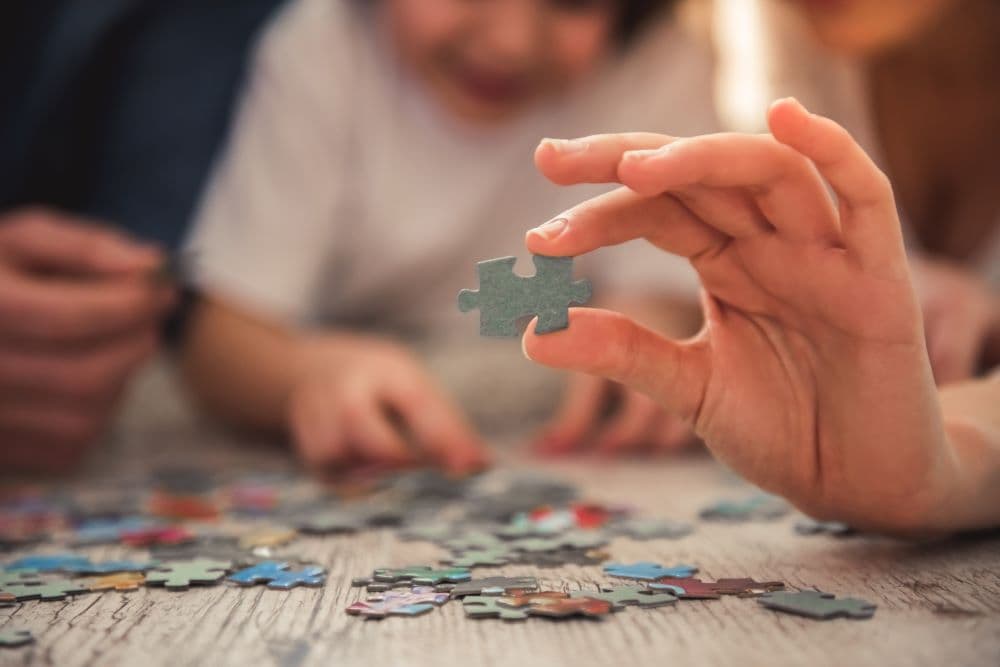
Jigsaw puzzles are also a great way to bond with family and friends. Working together to solve a puzzle encourages teamwork and communication. It's an opportunity to spend quality time with loved ones while engaging in a shared activity.
Conclusion
In conclusion, the jigsaw puzzle is a classic game that has stood the test of time. Its rich history, intricate designs, and numerous benefits make it a beloved pastime for people of all ages. Whether you're a seasoned puzzle enthusiast or new to the world of jigsaw puzzles, there's always a new challenge waiting to be solved. So, the next time you're looking for a rewarding and enjoyable way to spend your leisure time, consider picking up a jigsaw puzzle and immerse yourself in the world of interlocking pieces.
Posts Relacionados

5 Most Addictive App Games Of All Time
Design engaging games with unique concepts, captivating players through immersive experiences, boosting creativity.

Abc Live Streaming Online Tips
Watch live streams, anytime, anywhere. High-quality video and audio. Enjoy!

Advanced Game Play
Mastering complex strategies and techniques elevates gameplay to a new level of challenge and excitement.