
Trust Administration A Beginners Guide
Senior trust planning ensures asset protection, efficient distribution, and future financial security.
Research topics
Understanding Trust Administration
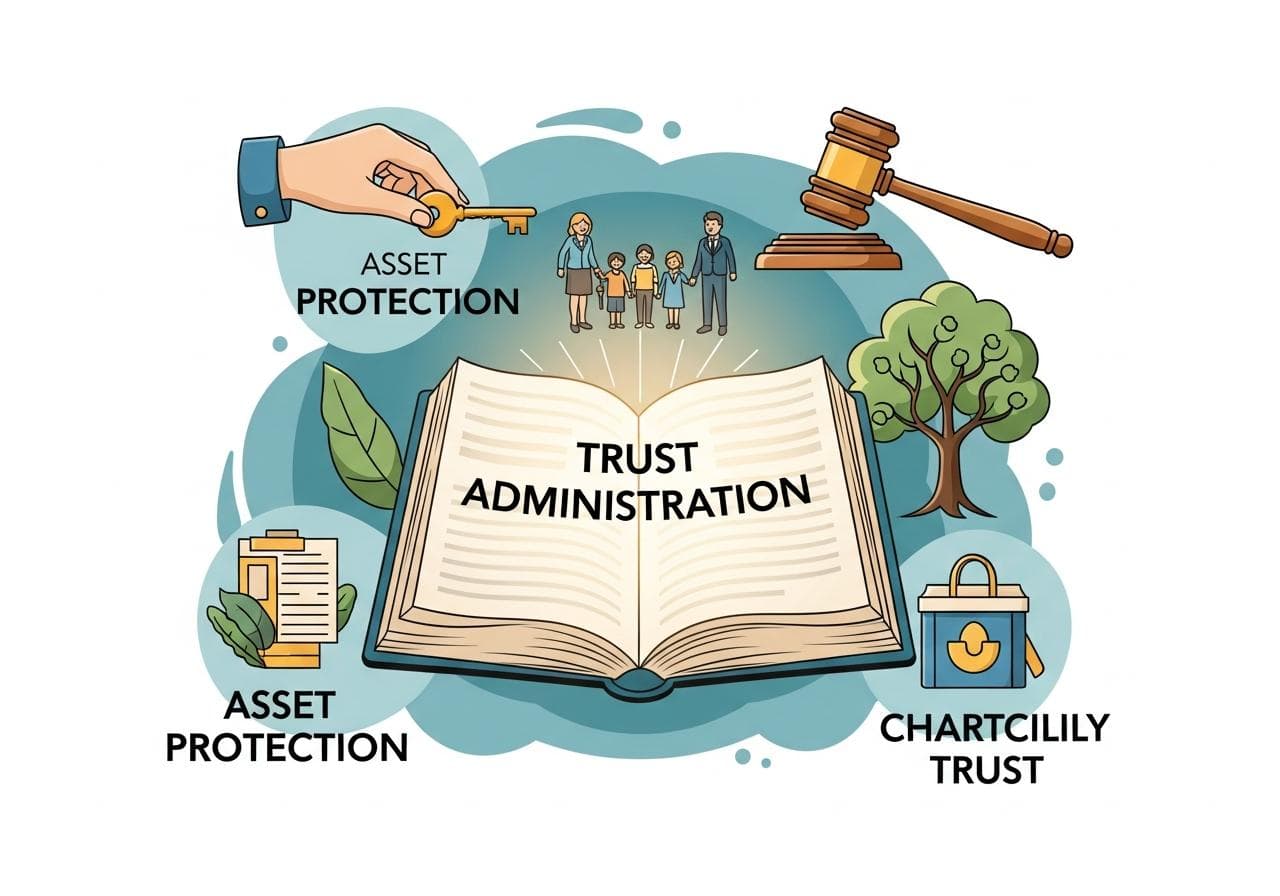
Trust Administration is a crucial part of the estate planning process. Simply put, it involves managing the assets held in a trust according to the wishes of the grantor (the person who creates the trust). A fiduciary duty comes into play here, as the trustee must act in the best interests of the trust beneficiaries, ensuring that their rights and needs are prioritized.
The Role of a Trustee
When you create a trust, you appoint a trustee to oversee the administration of that trust. The trustee's primary responsibility is to manage the assets in a way that aligns with the grantor's intentions. This means keeping detailed records, making investments, and distributing assets to beneficiaries as outlined in the trust document. The fiduciary duty requires absolute loyalty; trustees must avoid conflicts of interest and always prioritize the beneficiaries' interests over their own.
Types of Trusts in Estate Planning
Trusts are versatile tools that cater to varying needs. For instance, a special needs trust can provide for a beneficiary with disabilities without jeopardizing their eligibility for government benefits. On the other hand, a charitable remainder trust offers a way to benefit both a charity and your heirs simultaneously. Understanding these trust types is essential to effective estate planning and maximizing asset protection.
The Importance of Estate Planning
Estate planning isn't just about writing a will. It's about ensuring that your assets are distributed according to your wishes, minimizing tax implications, and considering aspects like elder law and Medicaid planning. Unfortunately, many people overlook the complexities involved in estate planning until it’s too late. By educating yourself now, you avoid falling victim to probate issues or trust litigation that can arise when your affairs are not clearly organized.
Asset Protection Strategies
Knowing how to protect your assets is vital in today’s financial environment. Trust administration often entails making strategic decisions that shield your assets from creditors and lawsuits. Incorporating vehicles like an irrevocable life insurance trust can be an essential aspect of your broader wealth management strategy. This allows for greater control over your assets and can help you navigate complex tax obligations, including the generation-skipping transfer tax.
Navigating Medicaid Planning
As you age, planning for healthcare becomes increasingly important. Medicaid planning is a key part of this process, as it helps seniors manage the costs associated with long-term care. Utilizing trusts effectively can protect your assets from being depleted due to healthcare expenses. This aspect of estate planning can be intricate, requiring you to be well-informed about the rules and regulations surrounding Medicaid eligibility. An elder law lawyer can help articulate these strategies tailored to your situation, ensuring compliance while safeguarding your wealth.
Understanding Trust Litigation
Disputes concerning trust administration can escalate into trust litigation—an often costly and emotional journey. Understanding the common grounds for litigation can help you navigate potential issues proactively. Misinterpretation of trust terms, challenges to the fiduciary duty, and disputes among beneficiaries often trigger legal challenges. It’s essential that trustees maintain transparency and diligence to mitigate these risks.
The Role of Fiduciary Duty in Trust Administration
The concept of fiduciary duty is foundational in trust administration. Trustees must adhere to principles of loyalty, prudence, and care when managing the trust. This means acting in the best interests of the beneficiaries and avoiding any self-dealing. An understanding of fiduciary duty not only shapes how trustees perform their roles but also affects how beneficiaries perceive the administration process. Transparency and open communication foster trust and can prevent misunderstandings, setting the stage for smoother administration.
Conclusion: A Path Forward
Getting started with trust administration may feel daunting, but breaking it down into manageable steps can ease the process. Understanding the different types of trusts, the role of a trustee, and the importance of fiduciary duty will empower you in your estate planning journey. Whether you are planning for your own future or assisting a loved one, connecting with professionals in elder law and trust administration can provide invaluable guidance through this complex landscape. For more on estate planning and trust services, consider checking the blog at Cape Ann Savings Bank.
Posts Relacionados

Aaa Renewal Online Guide
This guide provides a convenient, step-by-step process for online renewal.

Abogados De Accidentes Accident Attorneys
En el aftermath de un accidente, buscar representación legal de un abogado de accidentes calificado es esencial para proteger sus derechos

Accident Claim Specialists Your Rights
Understand your legal rights after an accident. Seek expert help to maximize your claim.