
Understanding Aortic Valve Replacement
Aortic valve replacement is a crucial cardiac surgery addressing valve dysfunction, improving patient outcomes and quality of life.
Research topics
If you or a loved one has been diagnosed with aortic stenosis or other conditions affecting the heart's aortic valve, you might be facing the prospect of aortic valve replacement surgery. This procedure is designed to replace a valve that isn’t functioning properly, allowing for improved blood flow and heart function. In this post, we’ll delve into the details around this surgery, touching on everything from costs to recovery and alternative options.
What is Aortic Valve Replacement?
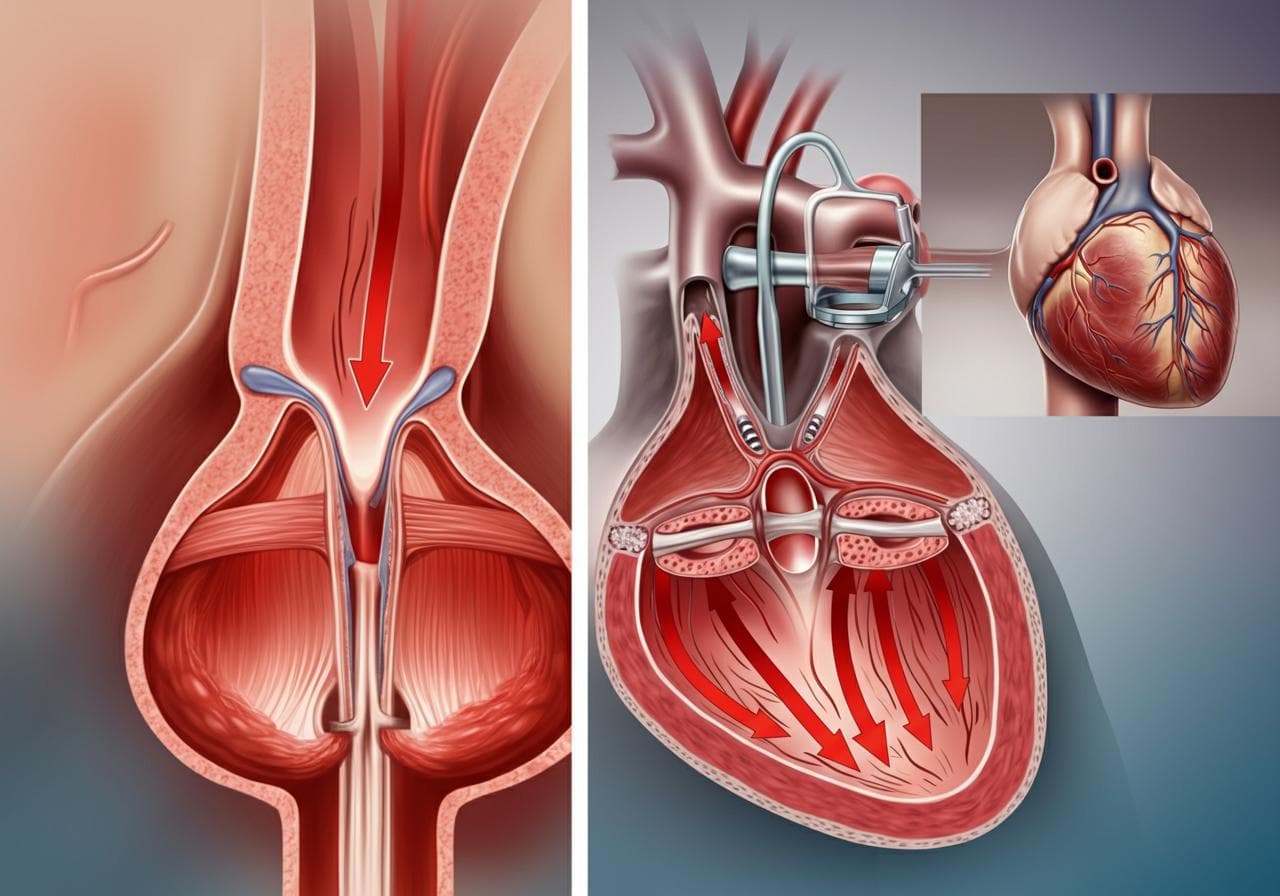
The aortic valve is one of four valves in your heart, situated between the left ventricle and the aorta. When this valve doesn’t open properly (a condition called stenosis), it can restrict blood flow and lead to symptoms such as fatigue, chest pain, and shortness of breath. Aortic valve replacement is a surgical procedure that corrects this issue by removing the damaged valve and replacing it with either a mechanical or biological valve.
The Types of Aortic Valve Replacement Surgeries
There are two primary types of aortic valve replacement surgeries: Surgical Aortic Valve Replacement (SAVR) and Transcatheter Aortic Valve Replacement (TAVR).
- Surgical Aortic Valve Replacement (SAVR): This is the traditional method where surgeons open the chest and remove the old valve to put in a new one. This procedure usually means a longer recovery time, as it is more invasive.
- Transcatheter Aortic Valve Replacement (TAVR): A newer, less invasive approach that utilizes catheter-based techniques to place the new valve, usually via the femoral artery. This method can allow patients to recover faster and experience less trauma to the body.
Cost of Aortic Valve Replacement
One of the most concerning aspects for many patients is the aortic valve replacement cost. In the United States, the average total cost can range anywhere from $70,000 to $200,000 or more depending on factors such as the hospital, type of procedure chosen, and whether there are any additional complications. It's important to contact your health insurance provider to understand what portion of that cost will be covered.
Aortic Valve Replacement Risks and Complications
Like any surgical procedure, aortic valve replacement carries risks. These may include:
- Bleeding
- Infection
- Heart rhythm problems
- Stroke
- Valve dysfunction
It’s crucial to weigh the aortic valve replacement risks against the benefits. According to studies, the aortic valve replacement success rate is generally high, with many patients experiencing improved quality of life post-surgery. However, discussing potential aortic valve replacement complications with your cardiologist ensures you’re fully prepared.
Recovery After Aortic Valve Replacement
What can you expect after the surgery? Aortic valve replacement recovery typically varies based on the procedure type. With minimally invasive aortic valve replacement, many patients find themselves back to their routine much quicker than with traditional surgery. It's not uncommon to stay in the hospital for a few days, followed by weeks to months of recovery at home, where you'll need to gradually ease back into activities.
Alternatives to Aortic Valve Replacement
If surgery isn’t an option due to other health complications, there are alternatives to consider. Lifestyle changes to support heart health, medication for symptom management, or valve repair procedures may be recommended. More advanced medical technology continues to develop, providing new options and hope for those who may not be surgical candidates. Always consult with your healthcare provider about these aortic valve replacement alternatives to determine the right path for you.
Conclusion
In summary, understanding aortic valve replacement is essential for anyone facing this potential surgery. Whether you’re considering a surgical approach like SAVR or opting for a less invasive technique like TAVR, being well-informed about the aortic valve replacement cost, risks, and post-operative care can greatly empower your decision-making process.
For more specific information on the surgical process and outcomes, check out resources like the WebMD guide on Aortic Valve Replacement Surgery or visit Cleveland Clinic’s overview of the treatment. Additionally, research papers such as those available through NCBI may provide deeper insights.
Posts Relacionados

000 Gift For Pancreatic Cancer Research
Pancreatic cancer research receives a substantial donation, aiding in the fight against this deadly disease.

000 Gift To Dana-Farber For Pancreatic Cancer Research
Pancreatic cancer research receives significant boost as generous donation of $000 made to Dana-Farber.

1Md Probiotics What Are The Side Effects
Reviews suggest potential side effects, including digestive issues; benefits, like improved gut health, may vary.