
Comparing Senior Living
Explore housing choices. Costs, amenities, care levels, and locations greatly influence decisions for elder care.
Research topics
As we age, the question of how to live comfortably and securely becomes increasingly important. Whether you’re considering options for yourself or a loved one, the variety of senior living arrangements can be overwhelming. This blog post will explore each type of senior housing, including Assisted Living, Memory Care, and Nursing Homes, to help clarify what you need to know about Long-term Care.
Understanding Senior Housing Options
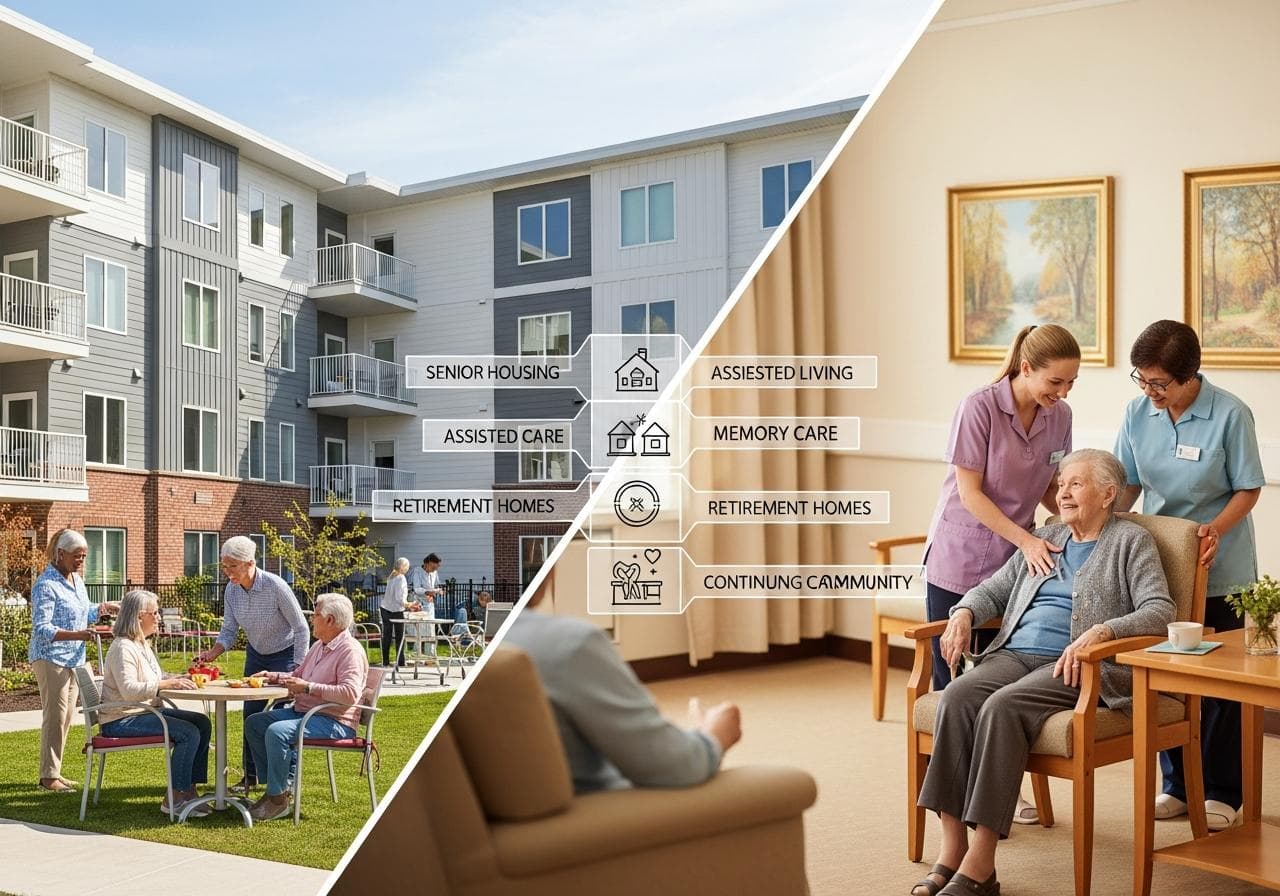
When we talk about senior housing, we are often referring to a range of options tailored to meet the changing needs of older adults. From those who are still enjoying their independence to those requiring more specialized care, our society offers various alternatives that fall under the umbrella of senior living. Let's dive into the primary categories to understand the services and features they provide.
For seniors who can still manage daily tasks without assistance, Independent Living is an ideal choice. These are often apartment-style living arrangements where residents enjoy their own space while benefiting from community amenities, such as fitness centers, social activities, and meals. These Senior Apartments offer a balance of autonomy and social support, enabling seniors to maintain a lifestyle they love.
If you or a loved one require more support with daily activities but do not need extensive medical care, Assisted Living might be the answer. These facilities blend independence with assistance, providing 24-hour staff availability for help with tasks like bathing, dressing, and medication management. It’s a step toward independence, with an added layer of safety and support.
For seniors suffering from memory-related issues such as Alzheimer’s Disease or other forms of dementia, Memory Care units provide specialized care focused on safety and cognitive support. Staff members are trained to engage residents in activities that stimulate memory and connection while ensuring a secure environment. More insights can be found in related resources like those mentioned in research studies about care effectiveness.
Nursing Homes are designed for those requiring round-the-clock medical care due to serious health issues. They provide comprehensive Long-term Care options and are manned by skilled nurses and healthcare professionals. While they may not offer the same level of activity and community life as Assisted Living or Independent Living, they ensure that residents receive the care they need when they are unable to manage at home.
Retirement Homes and Continuing Care Retirement Communities
Another popular option is Retirement Homes, which can be similar to Independent Living but often include extensive recreational programs and social opportunities tailored to older adults. For individuals looking for even more comprehensive care options, a Continuing Care Retirement Community (CCRC) provides a continuum of care ranging from Independent Living to Nursing Homes. This allows residents to transition as needs change without having to relocate multiple times.
For independent seniors who enjoy community living, 55+ Communities and Senior Apartments can be lovely alternatives. Here, residents share interests and can build lasting friendships, while often enjoying amenities catered to their lifestyle. These communities provide not only a place to live but also a sense of belonging which is incredibly valuable.
Evaluating Your Needs
Choosing the right type of senior housing ultimately requires an understanding of the individual's needs. Considerations include physical health, social preferences, financial situations, and the level of assistance required. It's crucial to take the time to evaluate what your loved one values most in their living arrangements.
For many seniors, the desire to "age in place" in their own home is strong. However, this may not always be feasible. For those needing support but wanting to remain at home, you might find home care options to be a reasonable decision. For those who need more specialized support, transitioning to Assisted Living can provide both care and community, facilitating a smoother adjustment as health needs change.
Home Care vs. Senior Living
If you’re not sure whether to opt for home care or a senior living facility, it is essential to weigh the pros and cons of each. Home care allows for familiar surroundings, but determining the right level of care can be a challenge. Alternatively, moving into a Senior Living community can simplify management of daily needs by providing personal care staff who are accessible around the clock. A detailed comparison can help in making this decision, which is available at this resource.
Cost is often a significant factor when selecting senior living options. Be sure to consider all potential expenses, including monthly fees, move-in costs, and additional care services. Many facilities offer different pricing structures, making it vital to gauge your budget against available options. Always inquire about financial aid programs or payment plans that may ease the burdens.
Finding the Right Fit for Your Loved One
The process of finding the ideal senior living situation doesn’t have to be tackled alone. Seeking guidance through family discussions or involving professionals can help streamline the decision-making process. Each option caters to different needs, and having an understanding of the available choices allows you to create a living situation that is supportive, enriching, and safe.
Once you have narrowed down potential options, it’s crucial to visit the communities in person. Experience the atmosphere and observe the residents and staff interactions. Questions about the level of care, programming, and daily life opportunities will better guide you in making an informed decision.
Wrap-up: Your Journey Towards Long-term Care
In the search for senior living arrangements, it's essential to equip yourself with information and resources. From Assisted Living facilities to Memory Care options, understanding the variety of senior housing available ensures that you can better meet the needs of those you love. The right choice will contribute to a happier, healthier life during this new chapter of their journey. Explore your options, trust your instinct, and know that you are making a decision with the best intentions in mind.
Posts Relacionados
1031 Exchange What You Need To Know
Tax-deferred exchanges of like-kind properties offer significant benefits to investors.
3 Bedroom Immediate Move-In
Spacious three-bedroom home, ready for immediate occupancy. Perfect for families.

5 Tips For Using Real Estate Crm To Improve Your Roi
Real estate CRM can boost your ROI. Learn how to use it effectively.